
Park Cities
A small town within Dallas, shaped by Turtle Creek, enduring traditions, and a strong sense of place.
75205
Established Luxury · Walkable · Historic · Top-Rated Schools · Family-Rooted
Highland Park
Highland Park is one of the places that shaped the way Dallas thinks about neighborhood life.
Incorporated in 1913, the independent town sits almost entirely surrounded by Dallas, yet has maintained a remarkably distinct identity of its own. Tree-lined streets, architecturally significant homes, winding creeks, carefully maintained parks, and a strong civic tradition give Highland Park a sense of permanence that feels increasingly rare this close to the center of a major city.
The architecture tells much of the story. Early 20th-century homes sit alongside Georgian estates, Mediterranean and Spanish-influenced residences, substantial midcentury properties, and newer construction. What holds it together isn't a single architectural style so much as the setting: established streets, mature trees, thoughtful setbacks, and a scale that has developed over generations.
Highland Park Village isn't simply a shopping center—it's part of the neighborhood's identity.
Opened in 1931, Highland Park Village was conceived as a town square for the surrounding community and became America's first planned shopping center. Today, its Spanish Colonial architecture houses some of the world's best-known luxury brands alongside restaurants and longtime Dallas favorites, but it still functions in a surprisingly local way: coffee, lunch, dinner, errands, and familiar faces all happen in the same few blocks.
That sense of continuity extends beyond the Village. Dallas Country Club has been part of Highland Park for more than a century, while parks, schools, churches, neighborhood traditions, and Friday nights at Highlander Stadium create a community life that can be easy to overlook when attention is focused only on the real estate.
Highland Park is unquestionably one of Dallas' most prestigious addresses. But prestige alone doesn't explain why families remain for generations. The more enduring appeal is the combination of architecture, schools, location, civic identity, and everyday neighborhood life—all within minutes of Uptown, Downtown, and the city's major business districts.
Considering a move to this neighborhood or exploring more like it? I help buyers and sellers understand the streets, homes, and market nuances that shape each part of Dallas.
Schools
Highland Park is served by Highland Park Independent School District, which also serves neighboring University Park and a small portion of Dallas. The district's schools are deeply woven into Park Cities life, with academics, athletics, arts, and longstanding traditions creating connections that often extend well beyond the classroom.
Elementary attendance is address-specific, while students come together at the district's upper-grade campuses. Highland Park High School, located in University Park, serves students from across the district and is home to the Highland Park Scots—an identity shared across both Park Cities.
Families considering Highland Park should verify current attendance boundaries and enrollment information directly with HPISD, as school assignments and policies can change.
Parks & Outdoor
Lakeside Park — One of Highland Park's signature landscapes, following Turtle Creek through mature trees, open lawns, Exall Lake, and the neighborhood's much-loved teddy bear sculptures. It's less a destination park than a beautiful extension of the residential streets around it.
Turtle Creek and the Highland Park Nature Trail — Walking paths and green space follow the creek through the neighborhood, creating an unusually leafy thread through the middle of Highland Park and connecting several of its parks and residential pockets.
In Highland Park, outdoor life is as much about the streetscape as any individual park. Mature trees, creeks, pocket parks, and sidewalks are woven throughout the town, making the landscape itself part of what distinguishes living here.
Shopping & Retail
Highland Park Village is both an international luxury destination and something much more local: the neighborhood's longtime commercial center. Its Spanish Colonial Revival buildings and courtyards are home to major fashion houses, restaurants, a movie theater, and businesses that are part of everyday Park Cities routines.
That dual identity is part of what makes the Village unusual. Visitors may come specifically to shop or dine, while nearby residents use the same place for coffee, lunch, dinner, a movie, or an evening walk. During the holidays, its elaborate lights become part of a larger Park Cities tradition that extends into the surrounding residential streets.
Beyond the Village, Highland Park sits close to Knox Street, Snider Plaza, and other central Dallas shopping districts, giving residents considerably more within a short radius than the town's small footprint might suggest.
Market At a Glance
SINGLE-FAMILY · JAN–JUN 2026
$3.478M
MEDIAN CLOSED PRICE
826
MEDIAN PRICE / SF
18
MEDIAN DAYS ON MARKET
98.6%
SALE-TO-LIST
40
CLOSED SALES
FROM DALLAS CURATED
Worth Reading
The Streets of Highland Park: A Micro-Guide to Its Most Distinctive Pockets

Inside Highland Park's Unusual Public Safety Model: One Officer, Three Roles
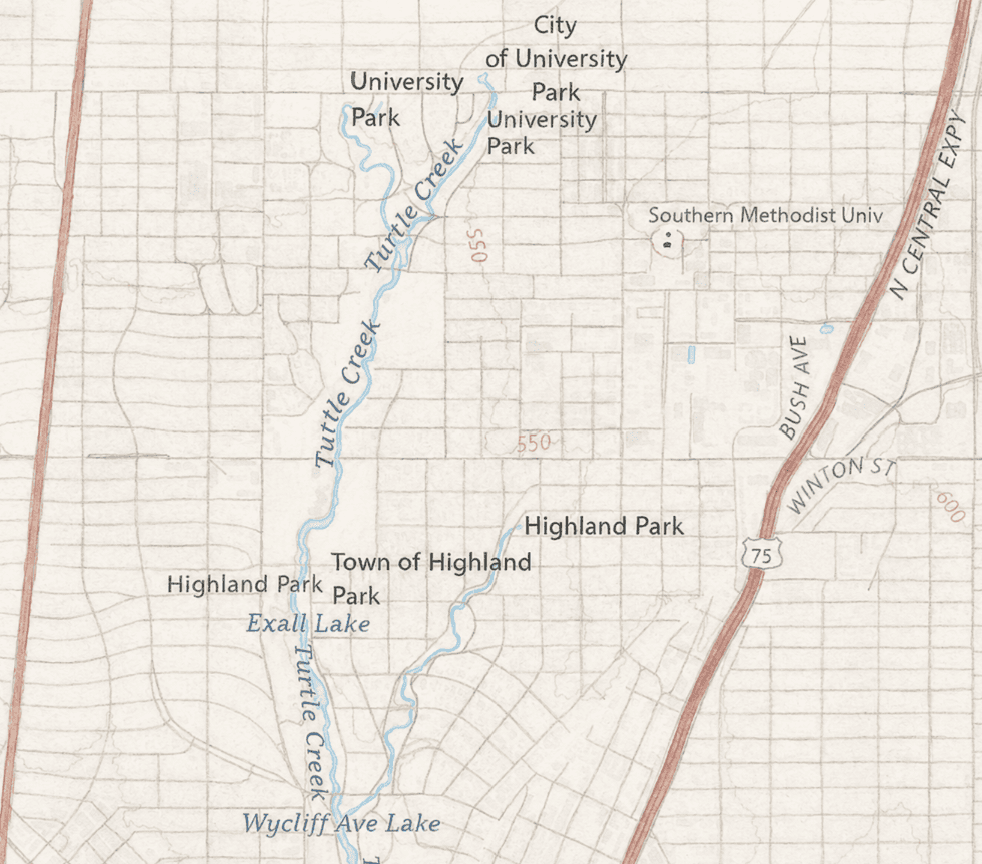
Highland Park vs. University Park
NEIGHBORHOOD ARCHIVE
Continue Exploring
EDITOR’S TOP 3
Where to eat first in this neighborhood
Seafood
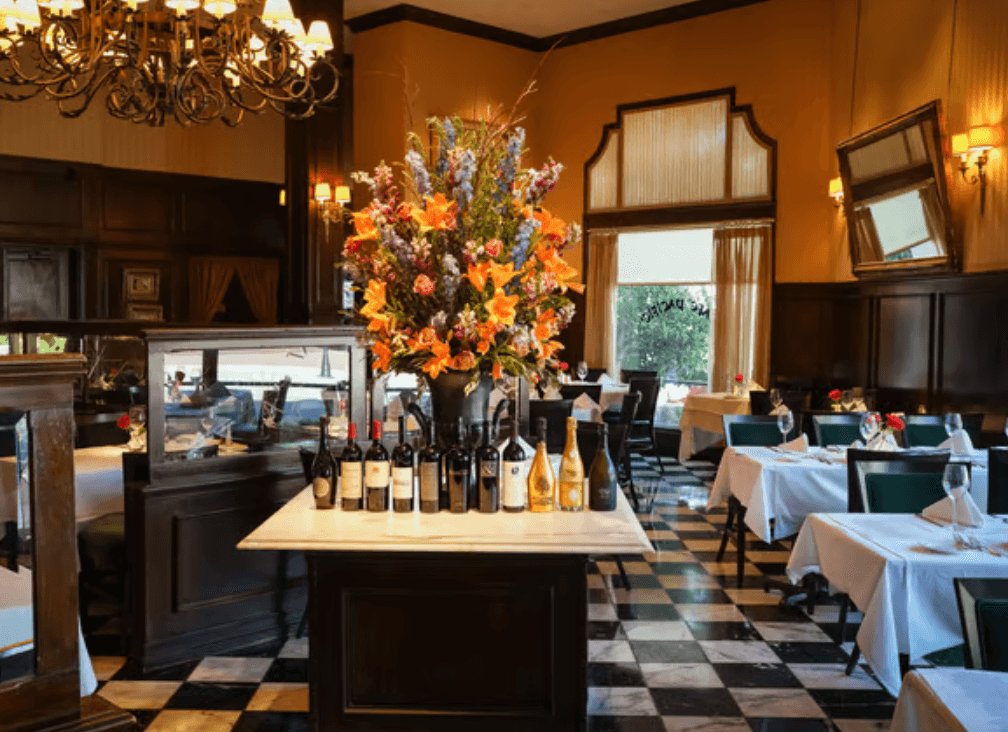
Café Pacific
A longstanding Park Cities classic with white-tablecloth seafood, neighborhood regulars, and timeless service.
Dallas institution feel

Italian
Facini
An Italian favorite tucked into the Village, known for handmade pasta and an atmosphere that feels more like a dinner party than a restaurant.
Handmade pasta

American
Honor Bar
A polished, intimate spot in Highland Park Village known for classic American plates, cocktails, and a lively neighborhood feel.
Highland Park Village people-watching
Want to see more of the editor’s favorites?
Walk Score & Drive Time
49–58 (Somewhat Walkable) — climbs into the high 50s/low 60s right around Highland Park Village; residential streets beyond that core generally require a car for daily errands.
walk score note
10–15 min
to downtown
Buyer questions
Frequently asked questions for this neighborhood
What is Highland Park known for?
What types of homes are found in Highland Park?
What is it like to live in Highland Park?
What is the difference between Highland Park and University Park?
Is Highland Park part of Dallas?
What school district serves Highland Park?