Experience Dallas
The Streets of Highland Park: A Micro-Guide to Its Most Distinctive Pockets
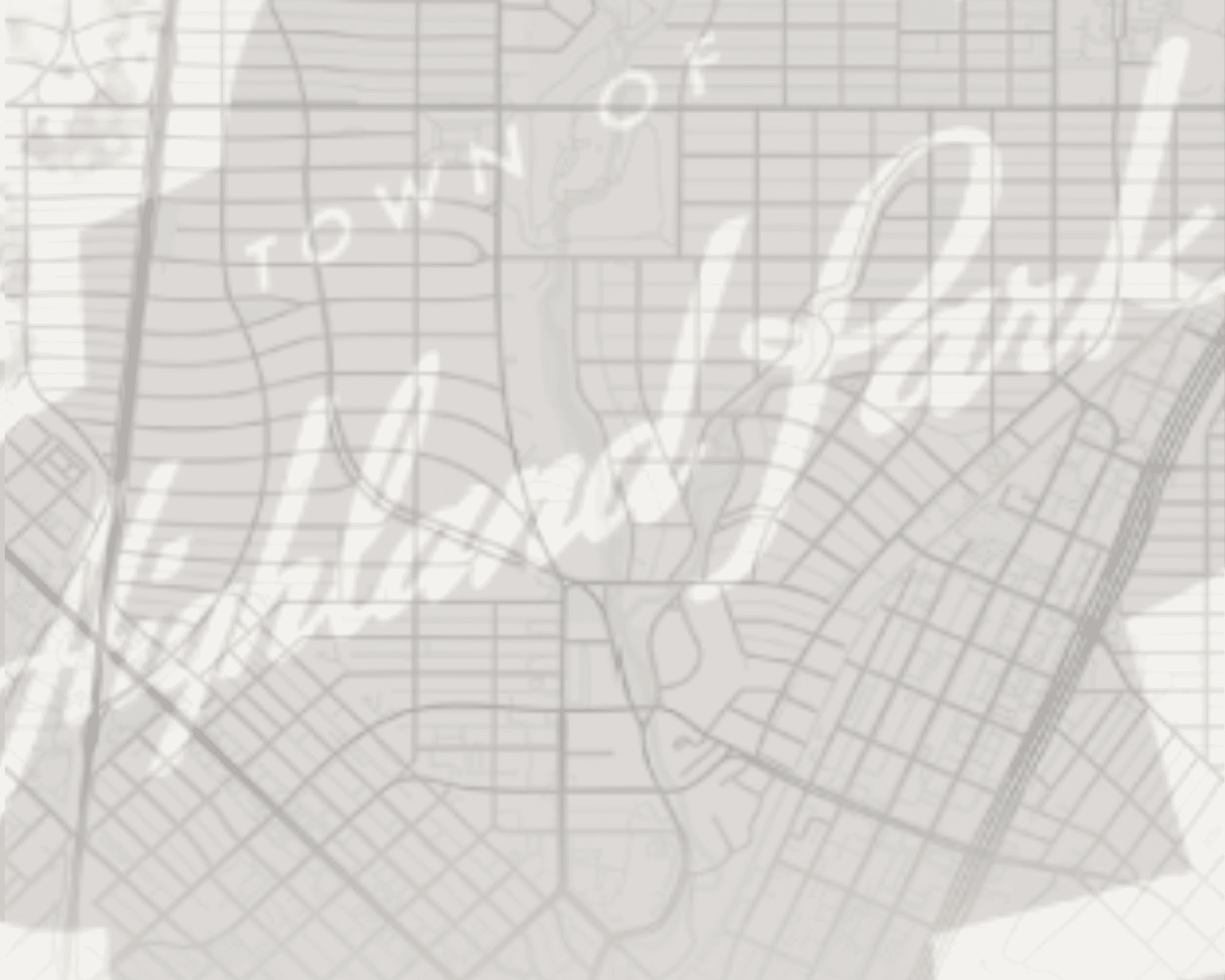
Highland Park covers only a few square miles. That doesn't mean every Highland Park address offers the same experience.
For someone new to Dallas, saying you want to live in Highland Park can sound remarkably specific.
It isn't.
Within this small independent town are streets shaped by Turtle Creek, grand parkways lined with significant architecture, blocks where Highland Park Village becomes part of everyday life, homes overlooking Dallas Country Club, and quieter interior streets that feel more intimate and residential.
These aren't official sub-neighborhoods, and residents don't necessarily divide Highland Park this way. But the distinctions become apparent once you spend time moving through it.
Lakeside Drive & Turtle Creek
Highland Park at its most cinematic
If someone asked for the single drive that best captures the romantic image of Highland Park, Lakeside would be difficult to beat.
Lakeside Drive follows the Turtle Creek corridor beside some of the town's most substantial estate properties. Mature trees, landscaped parkland, bridges, water, and unusually deep setbacks give portions of the street a scale that feels distinctly different from the blocks around it.
Lakeside Park stretches for more than 14 acres between Beverly Drive and Armstrong Parkway, with walking paths along Turtle Creek, the dam and bridge, and the oversized teddy bear sculptures that have become a neighborhood landmark.
Across from that landscape are houses representing generations of Highland Park architecture. Early 20th-century estates coexist with extensively renovated properties and newer homes.
The houses change. Turtle Creek is the constant.
Armstrong Parkway
The grand residential spine
On Armstrong Parkway, architecture often becomes the event.
Tudor, Georgian, Colonial Revival, Mediterranean, and other historically influenced houses create something close to an informal survey of Dallas residential architecture. Some are original or substantially preserved homes; others are newer interpretations built for a different era.
The parkway itself is just as important.
Broad setbacks, mature canopy, landscaped public space, and the relationship between house and street create the sense of procession that makes Armstrong one of Highland Park's most recognizable addresses.
It also reveals a tension visible throughout older parts of Highland Park. Significant houses occupy valuable land, while contemporary buyers often want space and amenities that those houses weren't designed to provide. Preservation, renovation, and replacement can therefore appear side by side on the same street.
Beverly Drive
The street that stitches Highland Park together
Beverly performs a different job. Rather than belonging to one particular pocket, it moves through much of the Highland Park story.
Follow it, and the town begins revealing itself: residential blocks, significant architecture, the edge of Dallas Country Club, proximity to Highland Park Village, and connections toward Lakeside and Turtle Creek.
It's also a street where Highland Park's public personality becomes especially visible. During the holidays, decorated houses along Beverly become part of the Christmas-light tradition that brings people through the Park Cities year after year.
In places, Beverly feels grand. A few blocks later, it can feel much more like an everyday residential street. That's part of what makes it such a useful way to understand Highland Park.
Around Highland Park Village
Where neighborhood life meets the town square
Living near Highland Park Village offers a version of Highland Park that outsiders don't always expect.
The town is associated with large lots and substantial estates, yet around the Village one of the advantages is simple proximity. Dinner, coffee, a movie, shopping, or meeting friends can happen close to home. Bradfield Elementary sits nearby. Dallas Country Club occupies a large piece of land just to the north. Turtle Creek and Lakeside are only a short distance away.
And then there is the Village itself.
Its Spanish Colonial Revival architecture and interior courtyards make it feel less like a shopping center appended to the neighborhood than the commercial center Highland Park was originally planned to have.
This is one of the places where Highland Park can feel surprisingly compact.
Dallas Country Club & the Interior Streets
Quietly tucked into the middle of everything
Dallas Country Club occupies enough land within Highland Park that it inevitably shapes the streets around it.
Properties along and near its perimeter can feel remarkably removed from commercial activity only blocks away. The golf course creates long green views and a sense of open space in the middle of an otherwise densely developed part of Dallas.
Move onto the surrounding interior streets, and Highland Park changes again.
Focusing only on Lakeside, Armstrong, and the town's most prominent avenues can give newcomers the wrong impression. Not every block is a procession of monumental estates.
There are quieter streets with a more intimate scale, varied lot sizes, older houses, newer construction, people walking dogs, children on bicycles, school traffic, and neighbors moving between home, parks, and activities.
For many residents, this more ordinary version of Highland Park is the one they encounter every day.
East of Preston
Older Highland Park reveals itself
Highland Park wasn't developed all at once.
Some of its earliest development occurred east of Preston Road around Armstrong, Abbott, Gillon, and Hackberry Creek. Later additions expanded the town westward, and that history still leaves fingerprints on the landscape.
Streets respond to creeks and topography. Architecture spans generations. Lots don't always behave exactly as someone accustomed to newer Dallas subdivisions might expect.
The eastern side also makes Highland Park's relationship with the larger city particularly apparent. Move toward its edges, and Knox, Turtle Creek, and central Dallas are remarkably close.
Here, the appeal isn't always about estate scale. Architectural character, mature landscape, and proximity can be equally important to the experience of a particular street.
West Highland Park
Same town, another rhythm
Cross Preston Road and Highland Park subtly changes again.
The western sections were added later in the town's development, and the geography feels different from the creek-shaped landscape farther east.
The streets remain established and residential, with considerable architectural variety, while Highland Park Village, the Dallas North Tollway, and neighborhoods immediately west of the Park Cities are close by.
It's a useful reminder that a municipal boundary tells you only so much.
Two houses can both have a Highland Park address and access to the same municipal services and school district while having very different relationships to parks, traffic, shopping, architecture, and the rest of Dallas.
In Highland Park, the Street Matters
There is a temptation in real estate to treat the neighborhood name as the amenity.
Highland Park is a good example of why that isn't enough.
A Lakeside property overlooking Turtle Creek lives differently from a house tucked onto an interior block. Being able to walk to Highland Park Village creates a different daily rhythm from living farther west. An older house on Armstrong and a newly constructed home nearby may share a street while offering very different experiences.
None is automatically better. They're simply different versions of Highland Park.
The town name narrows the map.
The street tells you much more.
Written and curated by Shay Lary
Global Real Estate Advisor, Christie’s International Real Estate | Lone Star