Lifestyle & News
Trophy Properties in Old Preston Hollow and Highland Park Create Their Own Market
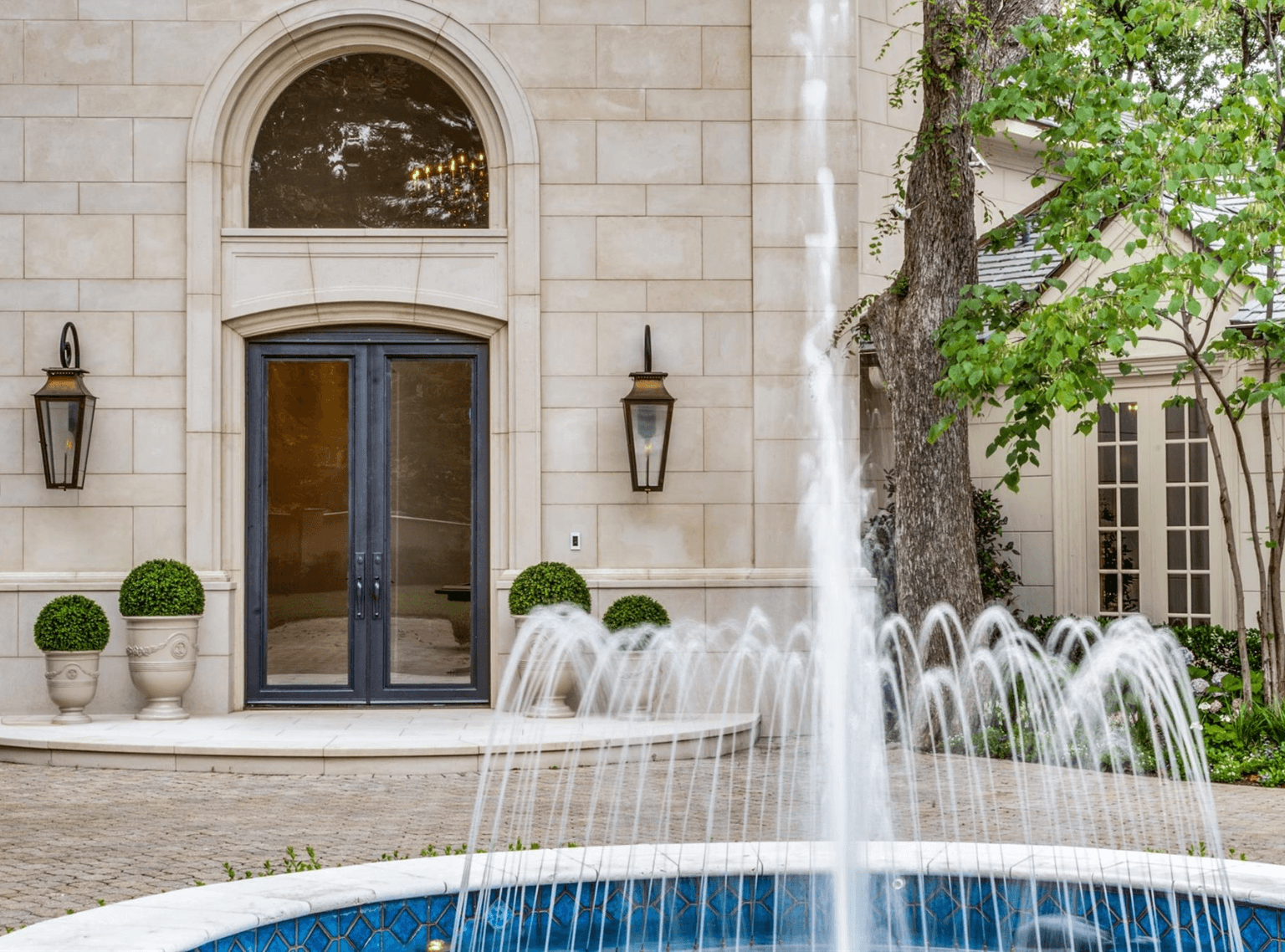
One of the defining characteristics of both Old Preston Hollow and Highland Park is that their most exceptional properties often operate outside the traditional rhythms of the real estate market.
In most neighborhoods, buyers have the luxury of waiting. If they miss one home, another with a similar floor plan, lot size, or location is likely to become available in the coming months. Inventory ebbs and flows with the seasons, giving buyers multiple opportunities to compare options.
These two neighborhoods are different.
Old Preston Hollow and Highland Park represent the dual pillars of Dallas luxury real estate—each with its own identity, but both defined by a level of scarcity and prestige that reshapes how buyers make decisions.
In these enclaves, the most desirable estates are often defined by qualities that simply cannot be recreated. In Old Preston Hollow, that might mean generational acreage, long private drives, and estate-scale lots tucked behind mature tree canopies. In Highland Park, it may be architecturally significant homes on iconic boulevards, walkable access to the Park Cities lifestyle, or historic residences that have been carefully preserved and modernized over time.
These are not interchangeable properties.
When a landmark estate becomes available—whether on Strait Lane or Deloache Avenue in Preston Hollow, or Armstrong Avenue, Beverly Drive, or Lakeside Drive in Highland Park—buyers often recognize that they may not see another opportunity quite like it for years.
The conversation shifts from “Should we wait until spring?” to a much more strategic question:
“Will another property like this become available if we don’t act?”
That change in perspective is what allows trophy properties in both neighborhoods to create their own market.
Scarcity becomes more influential than seasonality.
For buyers, the decision is often less about timing the market and more about securing an asset that is exceptionally difficult to replace. Many are evaluating not only the home itself, but the long-term value of its location, architectural pedigree, privacy, walkability, land, and legacy—qualities that cannot simply be added during a renovation or replicated in a new build.
In Old Preston Hollow, that might mean estate-scale privacy and land rarely found inside city limits. In Highland Park, it might mean irreplaceable proximity to the Dallas Country Club, Highland Park Village, or the cultural fabric of the Park Cities.
For sellers, that same scarcity reinforces the importance of thoughtful positioning. Exceptional homes in both neighborhoods deserve exceptional marketing. Buyers in this segment expect more than beautiful photography and a list of features. They want to understand why a property is special, what makes it irreplaceable, and why it commands its place within the two most prestigious residential markets in Dallas.
This is where strategy becomes just as important as the home itself.
The goal isn't simply to list a property. It's to tell the story that allows discerning buyers to recognize its value before someone else does.