Experience Dallas
New Construction or an Older Home?
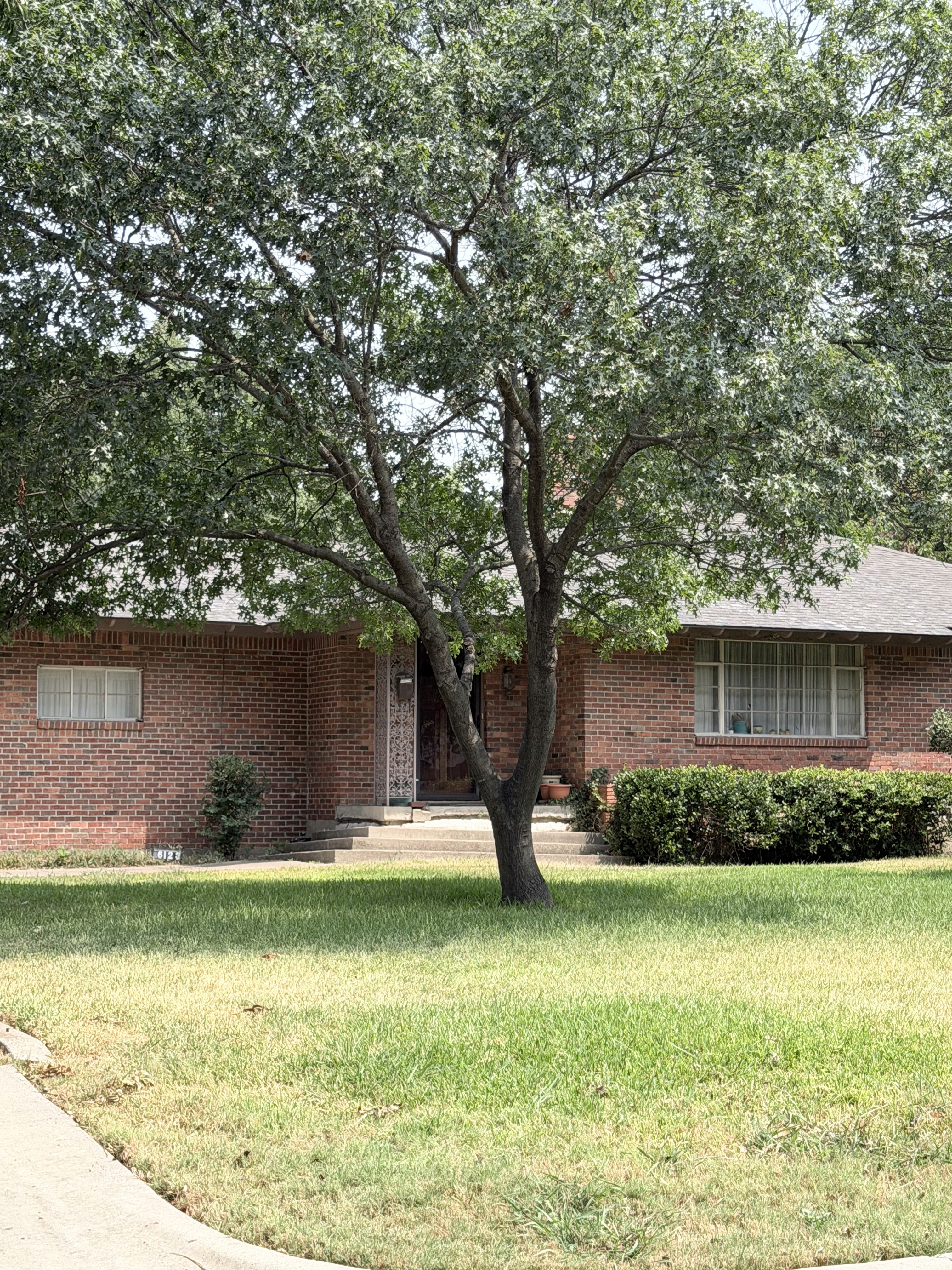
In Preston Hollow, the better house isn't always the newer one.
Spend enough time looking at homes in Preston Hollow, and this question comes up quickly.
Do you buy new construction, with the floor plan, systems, finishes, and amenities today's buyers expect? Or choose an older home, perhaps with better land, mature trees, established architecture, or a street that would be difficult to recreate?
There isn't a right answer.
There are, however, some very different tradeoffs.
The Preston Hollow Neighborhood Guide provides a broader neighborhood overview.
What new construction gets right
The case for new construction is easy to understand once you walk through a well-designed house.
New homes tend to reflect the way people live now. Kitchens are larger and more connected to living spaces. Primary suites have substantial closets and bathrooms. Offices are intentional rather than borrowed from another room. Garages accommodate today's vehicles and storage needs.
At the higher end of Preston Hollow, the list can expand considerably: catering or prep kitchens, fitness rooms, elevators, wine storage, multiple laundry areas, generous outdoor living spaces, and better integration between the house and pool.
Then there are the things you don't see.
New electrical, plumbing, HVAC, roofing, insulation, windows, waterproofing, and current building systems have real value. So does knowing you are less likely to begin ownership with a long list of aging components.
For a buyer who wants turnkey, new construction can make a great deal of sense.
But you're buying the site, too
This is where Preston Hollow complicates the decision.
A new house can give you almost everything you want inside and still sit on a piece of land you wouldn't have chosen if the house weren't there.
Lot depth, orientation, setbacks, neighboring properties, traffic, trees, drainage, and privacy all affect how a property lives.
Some can be improved.
Others can't.
A young landscape will mature. A pool can be added. Outdoor spaces can be redesigned.
A shallow lot will remain shallow. A busy location will remain busy. And a mature canopy that took decades to develop isn't something a landscaping budget can instantly replace.
The house deserves scrutiny. So does everything underneath and around it.
When the value of the land begins competing with the value of the existing structure, the Preston Hollow teardown question becomes a separate decision altogether.
Older doesn't automatically mean better
It's tempting to romanticize older Preston Hollow homes, particularly when they sit on beautiful lots.
That can be a mistake.
Age alone doesn't create architectural significance. And “updated” can describe almost anything.
Some older homes have been thoughtfully maintained and renovated in ways that respect the original architecture while making them work for contemporary life. Others have been altered repeatedly over several decades, leaving behind an awkward combination of additions, finishes, systems, and floor plans.
A beautiful kitchen doesn't tell you what is happening behind the walls.
Neither does an impressive front elevation.
Inspections, construction history, permits where available, and a realistic understanding of future work become particularly important with an older property.
Then there's the house caught in the middle
This may be the most difficult category to evaluate.
The house isn't new.
It isn't architecturally important enough that preservation is an obvious priority.
It may have been renovated, perhaps more than once, but significant systems or portions of the floor plan are still older.
And the price may reflect the money previous owners invested without necessarily reflecting what the next buyer values.
These houses aren't inherently poor choices. Some are excellent.
They simply require more analysis.
How much work has actually been done?
What remains?
Would another renovation solve the limitations, or are you beginning a project that eventually makes replacement more logical?
Most importantly, are you paying for improvements you intend to remove?
That's where a seemingly straightforward comparison can become expensive.
Renovation deserves its own budget
Buyers sometimes compare an older home's purchase price with the price of new construction and mentally assign the difference to renovation.
The math isn't always that clean.
Renovating an older house can uncover structural work, drainage issues, electrical or plumbing updates, window replacement, roofing, HVAC, foundation conditions, or other items that aren't particularly exciting but still consume budget.
Then there is the cost of bringing an older floor plan closer to contemporary expectations.
Moving walls is one thing. Moving kitchens, changing ceiling heights, reworking staircases, expanding primary suites, or adding substantial square footage can be another.
None of this means an older home shouldn't be renovated.
It means the decision deserves realistic numbers before the romance takes over.
New construction has compromises, too
New doesn't mean perfect.
Construction quality varies. So does design.
A large house isn't necessarily a well-proportioned one. More square footage can produce rooms a buyer rarely uses, while an efficiently designed smaller home may live considerably better.
It's also worth looking beyond finishes.
Cabinetry, stone, lighting, and appliances are easy to notice. Window quality, waterproofing, mechanical systems, drainage, framing, insulation, and construction details aren't nearly as glamorous, but they may matter much more over time.
Builder reputation matters.
So does independent inspection—even on a brand-new house.
Sometimes the older house has the thing you can't order
This is the strongest argument for looking at both.
An older home may have something that doesn't appear on a finish schedule: a remarkable lot, beautiful proportions, an established garden, an interesting architectural history, or a relationship between the house and the land that has become better with age.
That doesn't automatically make it the better purchase.
It makes it worth understanding before deciding that newer is inherently more valuable.
Likewise, an older house shouldn't be preserved simply because it's old. Sometimes the existing structure has reached the end of its useful life for the buyer's needs, and the land is the compelling part of the property.
Both conclusions can be reasonable.
Understanding Preston Hollow's architectural layers can help distinguish an older house with something meaningful to preserve from one that is simply older.
Start with what you don't want to compromise
Rather than beginning with new or old?, I prefer a different question:
What would be hardest for you to change later?
If it's the street, lot, trees, privacy, or setting, begin there.
If it's having a contemporary floor plan, new systems, minimal maintenance, and no appetite for a major project, new construction may deserve more weight.
If architecture matters deeply, you may accept renovations that another buyer wouldn't.
And if you love the idea of transforming an older house, make sure you also love the reality of the project—not just the before-and-after photographs.
In Preston Hollow, the age of the house tells you surprisingly little on its own.
The better question is what you're getting with it—and what you'll still want to change once it's yours.
Written and curated by Shay Lary
Global Real Estate Advisor, Christie’s International Real Estate | Lone Star