Experience Dallas
How Oak Lawn Became Dallas' Original Urban Neighborhood
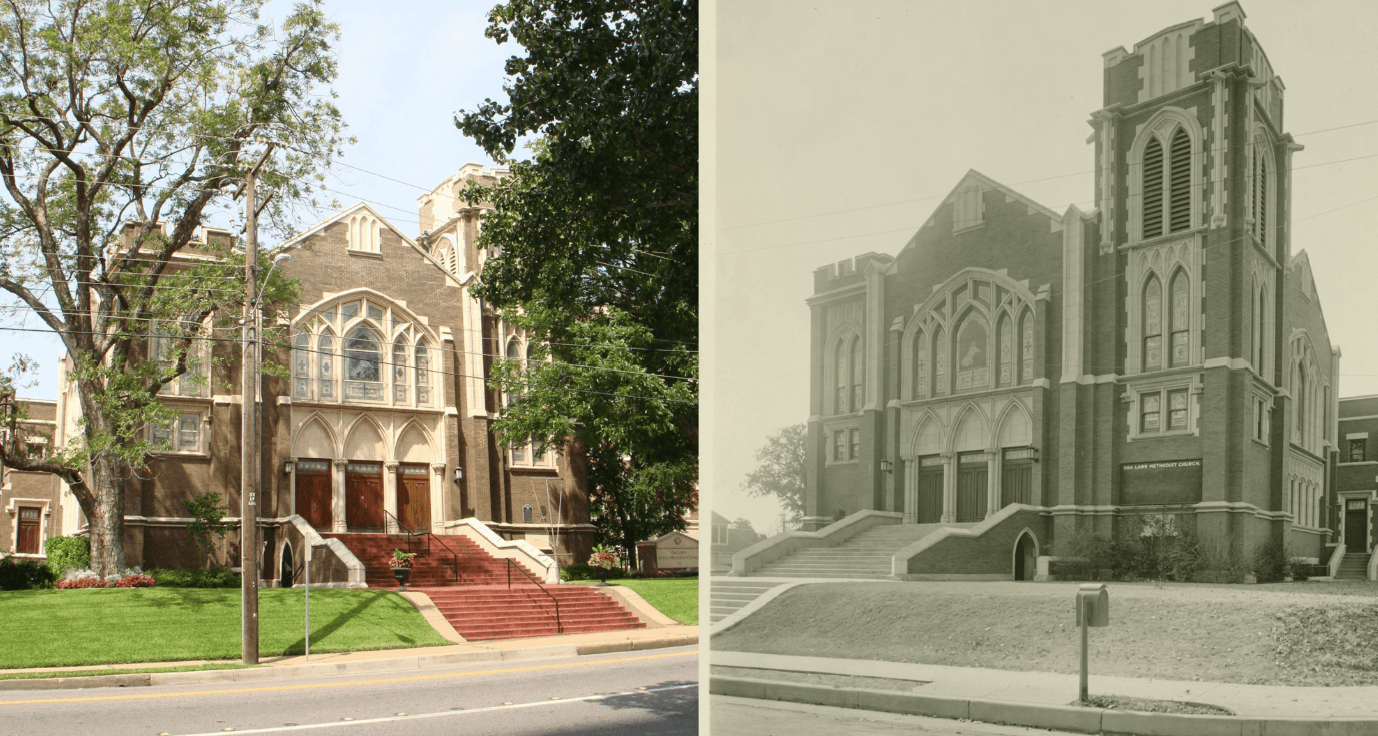
Before Oak Lawn was an urban neighborhood, it was outside Dallas.
Not far outside. But enough.
In the 19th century, the area around Turtle Creek and Cedar Springs offered water, trees, and open land a short distance north of the young city. Settlement began early, and by the 1870s, a small community was taking shape.
The name Oak Lawn was almost startlingly literal.
There were oaks. There were lawns.
What happened afterward is much more interesting.
Dallas Grew Toward It
As Dallas expanded northward, Oak Lawn went from outlying community to early suburb.
Streetcars helped.
By the early 20th century, routes through this part of Dallas made it possible to live outside the commercial center and travel easily into Downtown. Oak Lawn developed houses, apartments, businesses, churches, and eventually some of the city's more desirable addresses along Turtle Creek.
It was an early version of something Dallas would repeat for the next century: growth following transportation.
Only this time, the transportation ran on rails.
It Didn't Stay One Kind of Place
Oak Lawn changed dramatically as Dallas changed.
Large houses appeared. So did cottages and apartment buildings. Some areas prospered while others declined. New roads altered old patterns. Buildings were demolished, properties were divided, and different groups found their way into a neighborhood that was becoming more affordable and less tied to Dallas' traditional establishment.
By the middle of the 20th century, Oak Lawn had become something increasingly unusual in Dallas: a dense, mixed, close-in neighborhood where different kinds of people and different kinds of housing existed beside one another.
That mix created room for reinvention.
Artists found Oak Lawn. Young people did too. And, increasingly, Dallas' LGBTQ+ community found a place here.
Then Came Another Reinvention
Beginning in the latter decades of the 20th century, investment returned.
Older houses were restored. Townhomes appeared. Apartments and commercial properties changed hands. Along Turtle Creek, high-rise residential living became an increasingly important part of the neighborhood.
But redevelopment brought another question: how much change could Oak Lawn absorb without losing the very things that made it appealing?
Dallas answered that question differently here than in most parts of the city.
In 1985, the city established the Oak Lawn Special Purpose District, creating development standards intended to address urban form, pedestrian activity, streetscape, scale, and the relationship between new projects and surrounding properties.
Oak Lawn was still going to change.
The idea was to make that change more deliberate.
You Can Still See Every Version
That's what makes the neighborhood interesting today.
Oak Lawn didn't erase each earlier version of itself before building the next one.
You can still find a 1920s house. An older apartment courtyard. A midcentury condominium building. A glass residential tower. A neighborhood bar with decades of history. A quiet street that seems almost improbably intact.
Most Dallas neighborhoods tell the story of one particular period of the city's growth.
Oak Lawn tells several.
And because so many of those layers remain visible, walking through it can feel a little like walking through Dallas' own history of becoming urban.
Written and curated by Shay Lary
Global Real Estate Advisor, Christie’s International Real Estate | Lone Star